Mountain Plants for Active Living
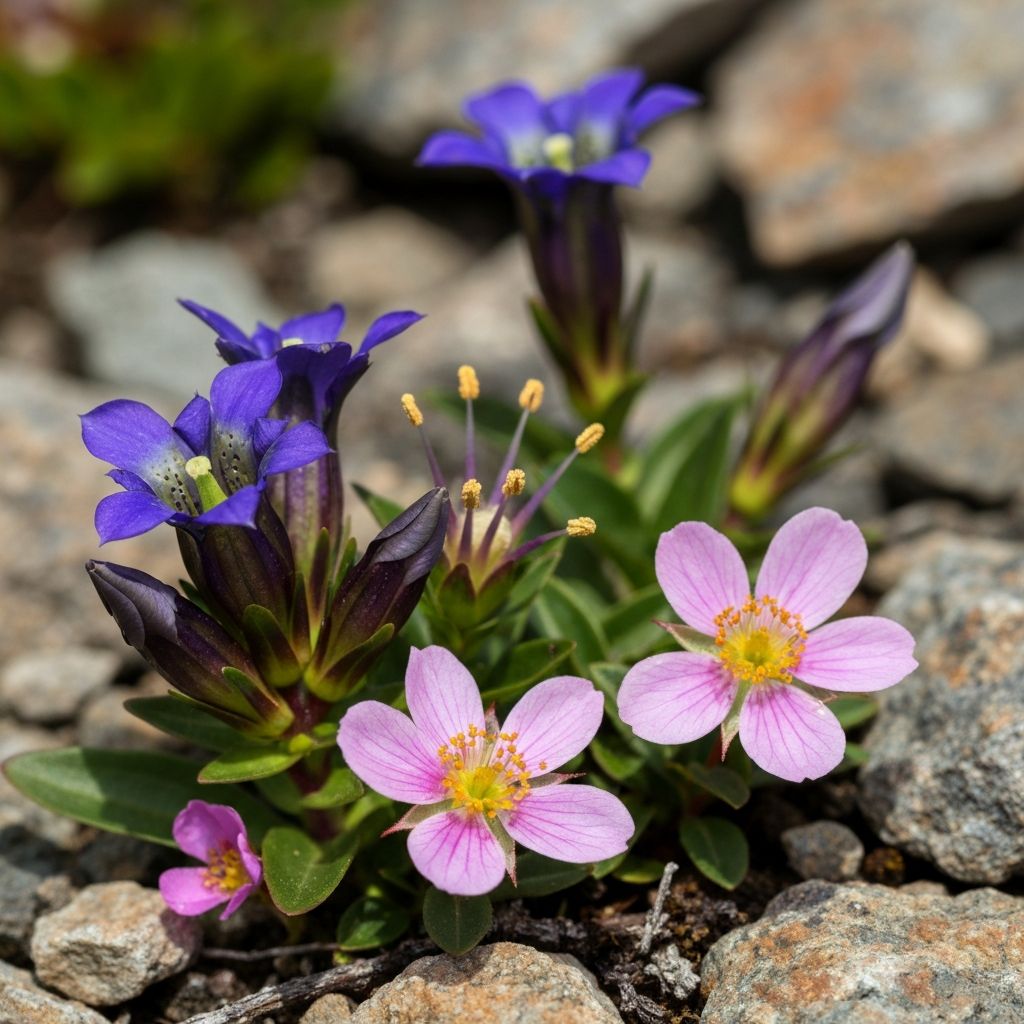
Alpine mountain environments produce unique plant species adapted to extreme conditions. These plants have been studied for their potential role in supporting everyday wellness in active individuals.
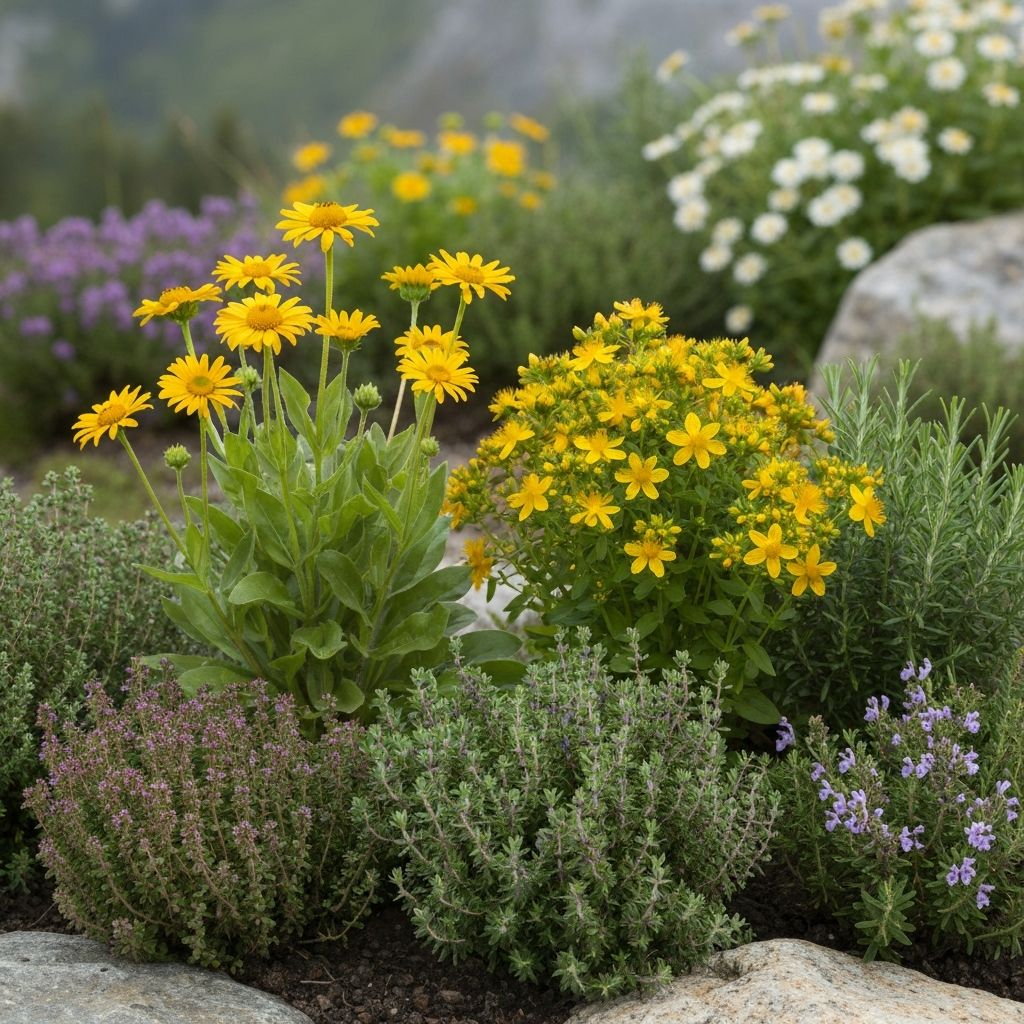
Mountain plants like arnica, St. John's wort, and Alpine thistle contain various bioactive compounds that researchers have investigated for their possible contribution to maintaining comfort and mobility in people with active lifestyles.
The traditional use of these botanical elements across Alpine cultures provides historical context for contemporary research into their composition and potential applications in supporting active living.
Role of Key Minerals and Vitamins in Mountain Environments
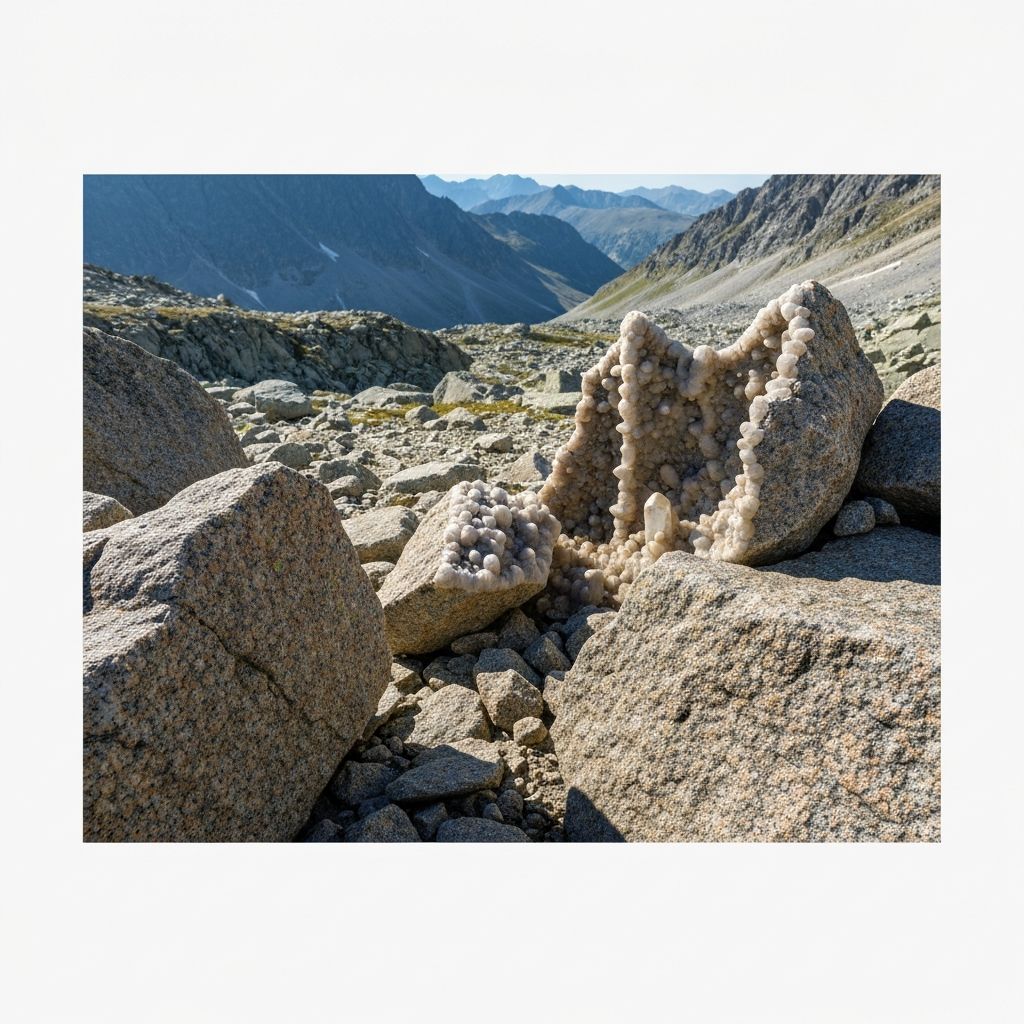
Mountain regions naturally concentrate certain minerals in soil and water systems. These minerals—including magnesium, zinc, selenium, and iron—play essential roles in human physiology and energy metabolism.
Research suggests that vitamin D levels, often lower in mountain populations due to altitude and climate, require attention for maintaining optimal physical function. Additionally, B vitamins support energy production, while antioxidant vitamins help manage oxidative stress from high-altitude environments.
Understanding the mineral and vitamin profile of mountain-based nutrition helps explain why Alpine communities have historically incorporated specific plant and mineral sources into their daily diets.
Traditional Alpine Herb Usage Across Cultures
For centuries, Alpine communities in Austria, Switzerland, and surrounding regions have incorporated native mountain herbs into their everyday wellness practices. This traditional knowledge represents generations of observation and experimentation.
Herbs such as Alpine rose (Rhododendron ferrugineum), mugwort, and juniper have been prepared as teas, infusions, and poultices. Historical records document their use in supporting joint comfort, energy levels, and recovery after physical exertion.
Modern scientific analysis of these traditional formulations has provided insights into their chemical composition and potential mechanisms of action, validating much of this ancient wisdom through contemporary research methods.
Mountain Lifestyle and Nutritional Needs
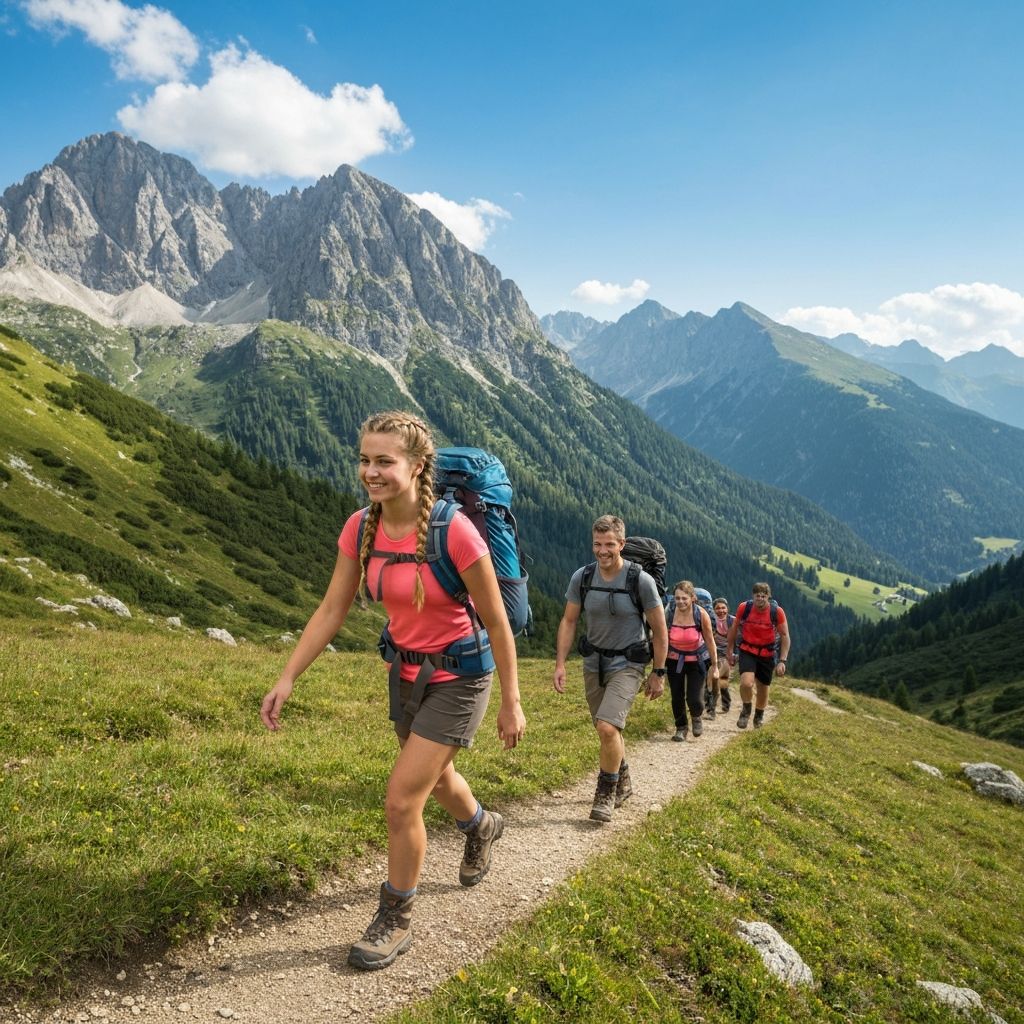
Active mountain pursuits—hiking, trekking, climbing, and outdoor recreation—impose unique demands on the human body. These activities require sustained energy, joint flexibility, and rapid recovery capabilities.
The Alpine lifestyle naturally incorporates specific nutritional patterns developed by mountain communities to support their physical demands. These patterns emphasize whole plant foods, natural minerals from spring water, and traditional herbal preparations.
The connection between mountain living and dietary practices reveals how environmental factors shape nutritional wisdom. Understanding these relationships helps explain the scientific interest in Alpine botanical sources for supporting active lifestyles.
Scientific Research Overview
Contemporary botanical research has expanded our understanding of Alpine plant chemistry. Studies examine polyphenols, flavonoids, and other bioactive compounds found in mountain species, exploring their potential biological activities.
Research into joint mobility and flexibility has identified specific plant-derived compounds showing promise in laboratory and clinical studies. While results remain preliminary, they provide scientific foundation for understanding traditional Alpine formulations.
Endurance and fatigue resistance have also become subjects of nutritional science. Research explores how specific micronutrients and plant compounds may support energy production at the cellular level, particularly under conditions of physical stress.
Learn about research limitations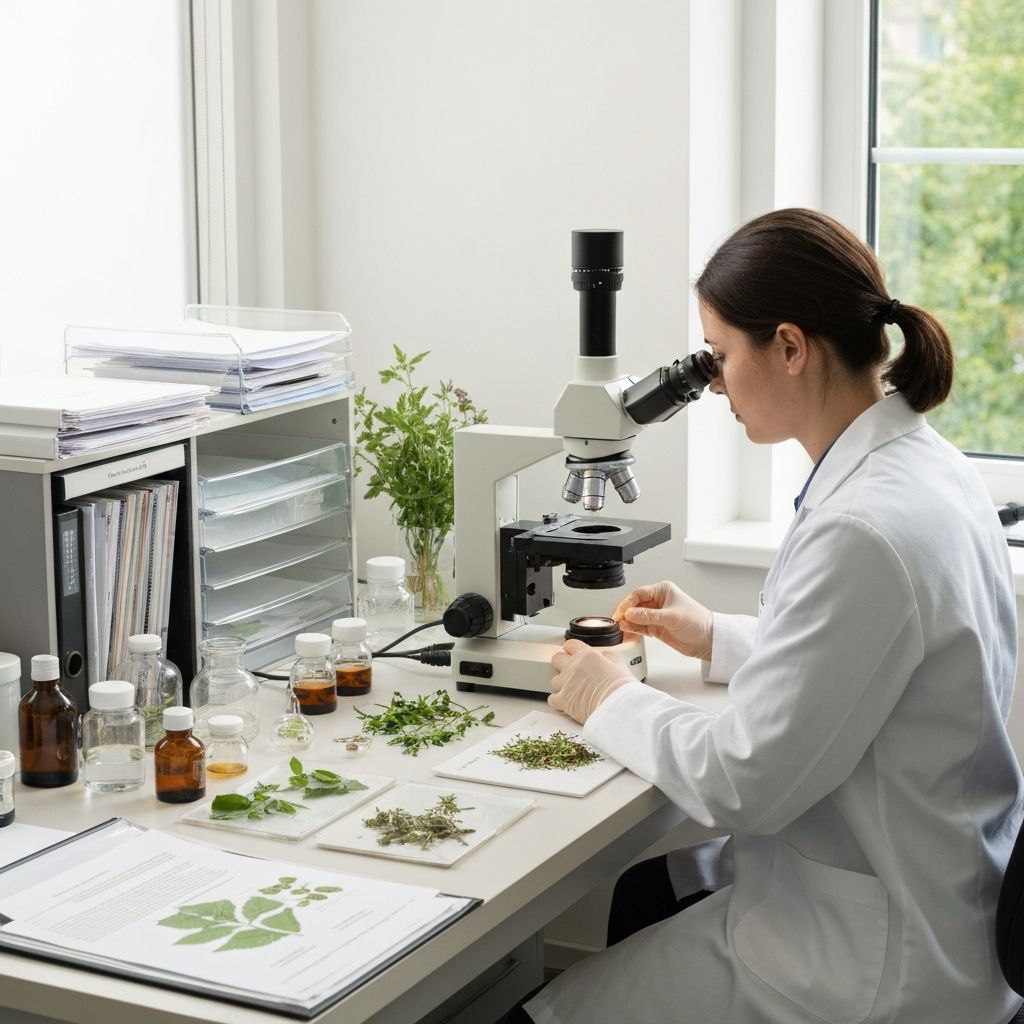
Examples of Mountain-Sourced Natural Elements
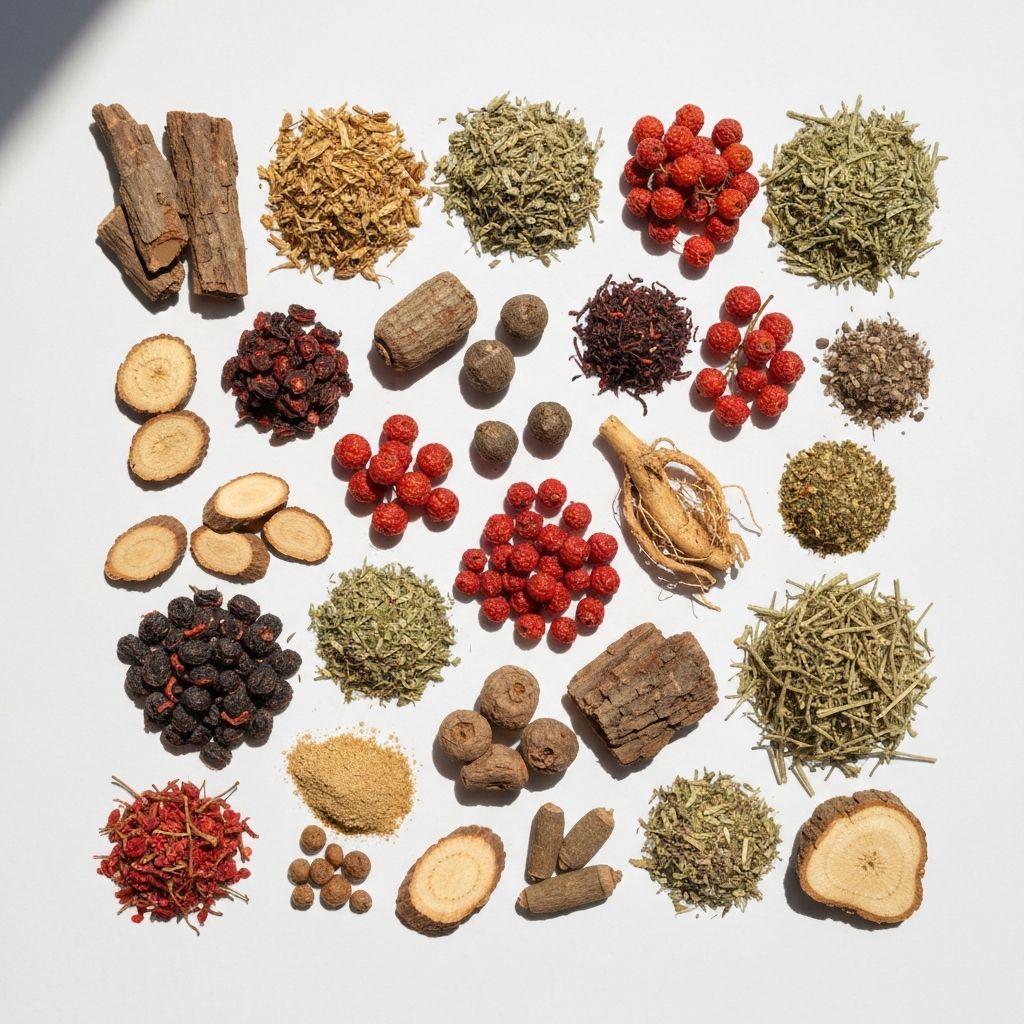
Alpine regions yield diverse botanical materials, each with distinct composition and historical usage patterns. These ingredients form the foundation of mountain-inspired natural formulations.
Arnica montana has been traditionally used for centuries to support physical comfort and reduce swelling. Modern analysis shows it contains helenalin and other compounds under laboratory investigation.
Alpine ginger root provides warming properties and has been documented in traditional Alpine cuisine. Research suggests it may support healthy inflammation responses and digestive comfort.
Mountain turmeric (Curcuma longa), while not exclusively Alpine, is included in Alpine wellness formulations for its curcumin content, studied for supporting flexible movement and general wellness.
Pine pollen from Alpine coniferous forests contains micronutrients and has traditional use in supporting stamina and vitality across Northern European cultures.
Alpine sea buckthorn berries provide vitamin C, flavonoids, and omega fatty acids. They have been studied for supporting immune function and skin health in active individuals.
Educational Context
This resource presents information about Alpine plant formulations and their traditional and contemporary applications. The information provided is educational and informational in nature.
MountainStamina exists as an independent educational resource dedicated to explaining the botanical, cultural, and scientific aspects of mountain-inspired natural formulations. We do not provide medical services, make health claims, or promise specific outcomes.
All information should be considered within the broader context of scientific research, which continues to develop. Individual responses to natural elements vary greatly based on genetics, lifestyle, existing health conditions, and numerous other factors.